Why Regular Air Compressor Maintenance Matters (And What It Costs You When You Skip It)
Your air compressor works hard; often every single day, for years at a time. It's easy to take it for granted. It runs in the background, powers your tools and equipment, and rarely complains. Until it does.

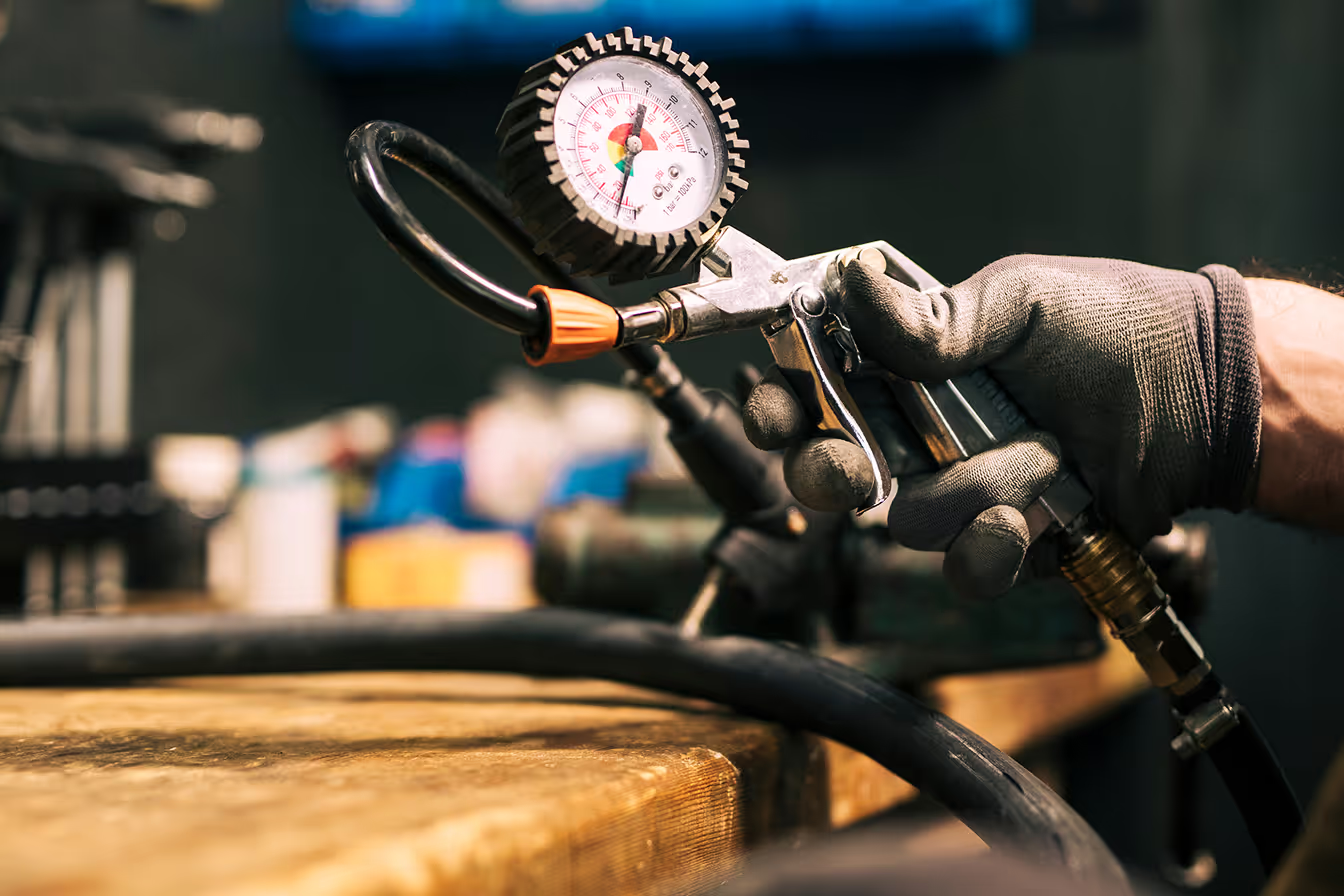
At Palmetto State Compressor, we've seen the same story play out dozens of times: a facility skips routine maintenance to save a little money, and ends up facing a costly emergency repair, unexpected downtime, or a full system replacement far sooner than necessary. The math never works out in their favor.
Here's why regular air compressor maintenance isn't just a good idea. It's one of the smartest investments you can make in your operation.
1. Downtime Is Expensive
When your air compressor goes down unexpectedly, everything that depends on it stops too. That might mean idle workers, halted production, delayed orders, and frustrated customers.
Emergency repair calls cost significantly more than scheduled maintenance visits. Parts that fail without warning often damage neighboring components, turning a simple fix into a major repair. And if a compressor needs to be replaced entirely, lead times on new equipment can stretch from days to weeks.
Routine maintenance catches problems early: a worn coupling, a clogged cooler, low oil before they cascade into something much bigger.
2. Energy Efficiency Drops When Systems Are Neglected
Compressed air is one of the most energy-intensive utilities in any facility. According to the U.S. Department of Energy, compressed air systems account for roughly 10% of all industrial electricity use and poorly maintained systems waste a significant portion of that energy.
A clogged air filter, for example, forces your compressor to work harder to pull in the air it needs. A small leak in your distribution system,something you might not even hear, can bleed thousands of dollars' worth of compressed air every year. Dirty coolers cause operating temperatures to rise, which shortens component life and drives up energy costs.
When your system is properly maintained and tuned, it runs at peak efficiency. That shows up directly on your energy bill.
3. Equipment Lasts Longer With Consistent Care
A well-maintained air compressor can last 10 to 20 years. One that's neglected may struggle to reach half that lifespan.
Oil and filter changes, belt/coupling inspections, cooler cleaning, and performance checks all protect the internal components of your compressor from excessive wear. Heat, contamination, and moisture are the enemies of compressor longevity and routine maintenance keeps all three in check.
Think of it like an oil change for your vehicle. Nobody debates whether it's worth doing. The same logic applies here.
4. Air Quality Affects Your Products and Processes
Dirty, wet, or contaminated compressed air doesn't just reduce efficiency it can directly affect the quality of whatever your air system is supporting. Whether you're running a spray booth, CNC machines, food processing lines, or medical devices, the quality of your compressed air matters.
Neglected dryers, separators, and filters allow moisture, oil aerosols, and particulates to pass downstream. This can ruin product finishes, damage sensitive equipment, and in regulated industries, create serious compliance issues.
Regular maintenance ensures your air treatment equipment is actually doing its job.
5. Safety Depends on a System You Can Trust
Compressed air systems operate under significant pressure. Components that are worn, cracked, or improperly maintained can fail in ways that are dangerous to personnel and damaging to property. Pressure relief valves need to be tested. Hoses and fittings need to be inspected. Safety systems need to function as designed.
Routine maintenance isn't just about protecting your investment. It's about protecting your people.
What Does a Regular Maintenance Program Look Like?
A good maintenance schedule is built around your specific equipment, usage levels, and operating environment. The most common periodicity for maintenance programs are:
- Quarterly: 4 yearly services
- Semi-Annual: 2 services yearly
- Annual Service: 1 yearly service
At Palmetto State Compressor, we build customized service agreements for facilities so you always know your system is in good hands, without having to remember to schedule it yourself.
Don't Wait for a Breakdown to Call Us
The best time to establish a maintenance program is before something goes wrong. If it's been a while since your compressed air system has been serviced or if you're not sure what kind of shape it's in we're here to help.
We also offer compressed air system audits, which give you a complete picture of your system's efficiency, air quality, leak losses, and maintenance needs. It's a great starting point for any facility that wants to get more out of their compressed air investment.
Contact Palmetto State Compressor today to schedule a service visit or learn more about our maintenance programs.
Palmetto State Compressor provides air compressor service, repair, installation, and system auditing for facilities across South Carolina & Western NC. Whether you need a one-time repair or an ongoing service partner, our team is ready to help.
Related Insights & Articles
Lorem ipsum dolor sit amet, consectetur adipiscing elit. Sed do eiusmod tempor incididunt ut labore et dolore magna aliqua. Ut enim ad minim veniam.